Apelvo ED
Digital pelvic floor training with Apelvo for erectile dysfunction
- Partner:
- Fysor GmbH Weil im Schönbuch
- Funded by:
- Bundesministerium für Wirtschaft und Energie
- Duration:
- 01.01.2026 – 31.12.2027
- Contact:
- Prof. Dr. Jens-Uwe Hahn
Gamified pelvic floor exercises for men with erectile dysfunction.
Game development in schools has been practiced abroad for some time. In Germany, however, there are hardly any initiatives. Although, according to the non-profit organization Institute of Play, game development demonstrably promotes teamwork in school lessons, helps to understand complex problems, and promotes problem-solving, critical and creative thinking, there is, as far as we are informed, no such iniative in Baden Württemberg within which which students develop their own games under the guidance of professional game developers and teachers.
The cooperation between schools, games agencies and universities also enables practice-oriented learning and promotes the local game industry. Early promotion of young talent should help to secure the game industry in Baden-Württemberg. The cooperation between professional game developers and teachers also promotes practice-related teaching and an interdisciplinary exchange, which can help game developers to design learning games for the classroom by exchanging learning objectives, learning materials and game development skills.
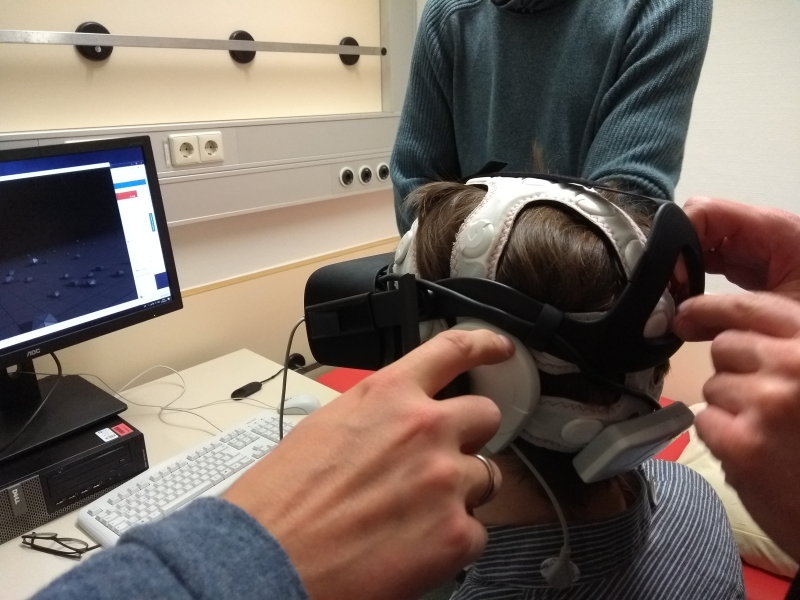
The goal of the research project is to enable stroke patients to have faster and more sustainable rehabilitation of their musculoskeletal system by using computer games in virtual reality.
The core of the innovation is that in the virtual world, the patient perceives a successful movement of the paralyzed limb, which is controlled by a real-time analysis of individual brain and muscle signals. This optimizes the healing process through network reorganization in the brain. With the help of the games should be achieved that the patients train frequently and with fun. At our institute the gamification concepts and the games for the realization of the therapeutic goals are developed.
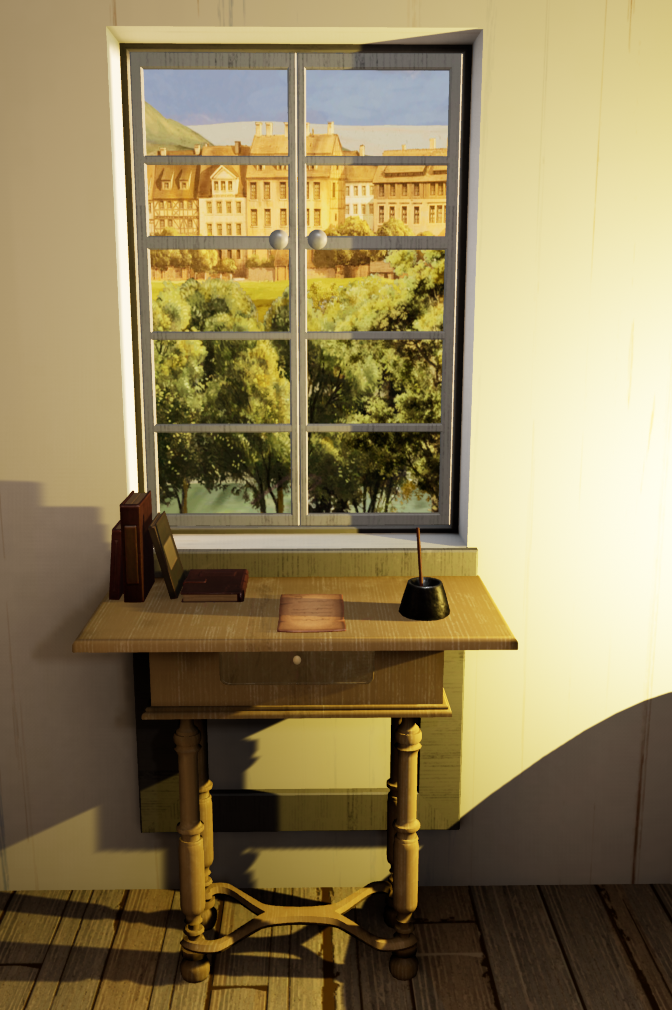
The VR application Hölderlin's Echo VR is planned as an independent VR experience, but also as a permanent installation in the Hölderlin Museum in Tübingen. In the application, the visitors will experience memory rooms in an artistically stylized 3D reconstruction of Hölderlin's historically authentic tower room, which give them an insight into the literary work and life of Hölderlin. The VR application consists of two components.
The tower room: The historically authentic reconstruction of Hölderlin's tower room can be experienced in a physical room in the Hölderlin Museum. This offers an educational added value that would be impossible to present in traditional exhibition methods.
The experience rooms: In the virtual tower room there are five windows through which memory rooms can be visited, each of which deals with a different section of Hölderlin's life. The tower room and the rooms can be explored interactively and allow the users to discover the world and the work of Hölderlin in a playful way.
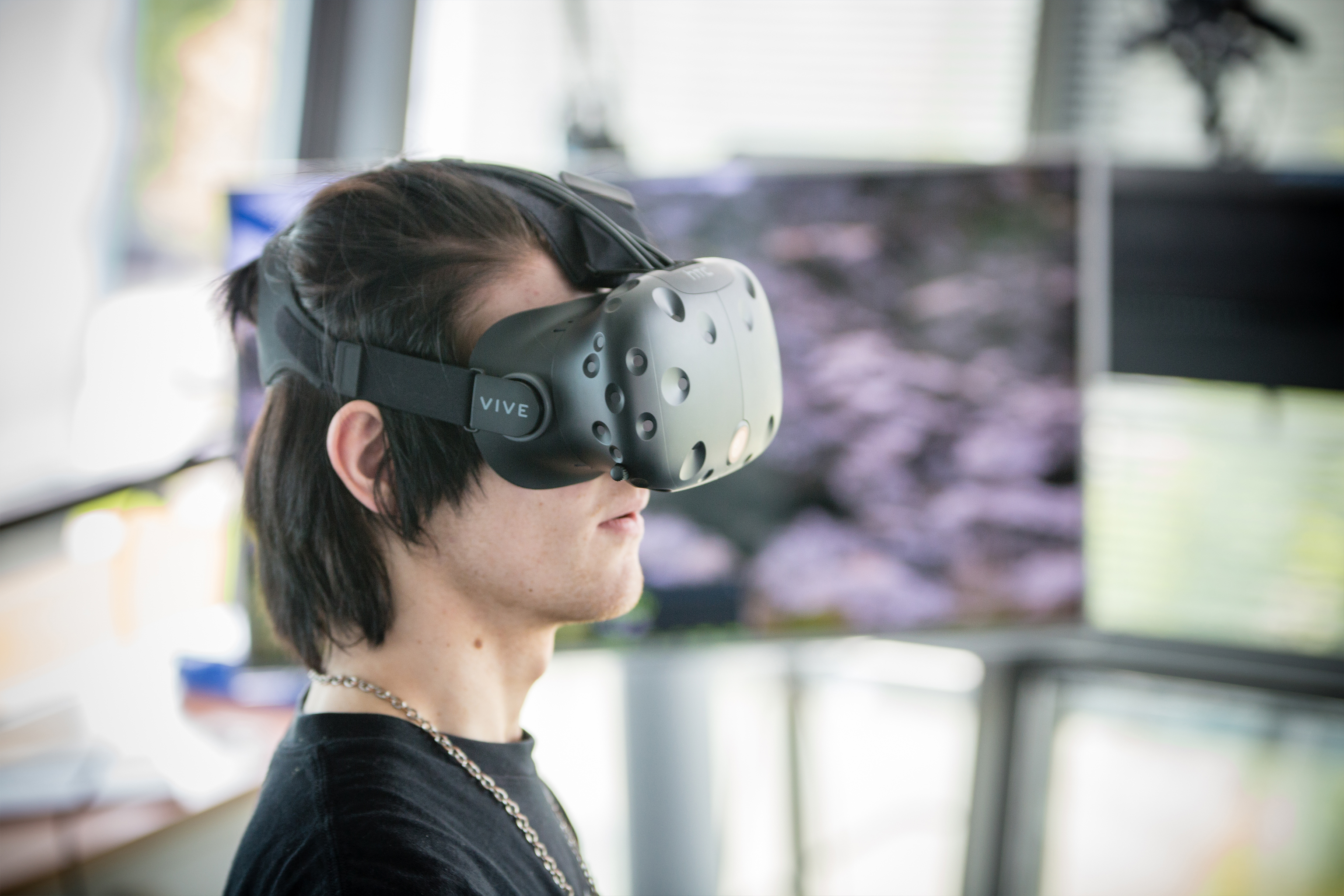
Virtual Reality, allows to duplicate teaching scenarios identically or with variation of individual parameters with different subjects, which is not possible in reality.
With the help of comparative studies, the effects of different aspects on different groups of students can be scientifically investigated. In addition, it is possible to examine the influence of technical and design aspects of the VR environment on the acceptance by the subjects and on the learning success.
Gamified pelvic floor training can help you stay consistent with your training and thus significantly improve or prevent incontinence problems. Together with Fysor GmbH and Lab132, the IfG has developed the Apelvo app, which enables this type of pelvic floor training.
With the help of the biofeedback sensor developed by Fysor, the tension of the pelvic floor muscles can be measured using electrodes in the coccyx area. These measured muscle activities are used in the Apelvo app to control various games, making the training fun and motivating.
In line with a user-centric experience design approach, application development focuses on the user experience. In the process, natural and media-specific competences are combined through the intensive cooperation of the interdisciplinary team of both institutions. Moreover, the iterative development process can ensure the teaching of fun and natural knowledge. As part of the project in the area of Game Design already several first playtest with users of the target group, e.g. in the computer games school of the city media center Stuttgart have been performed.
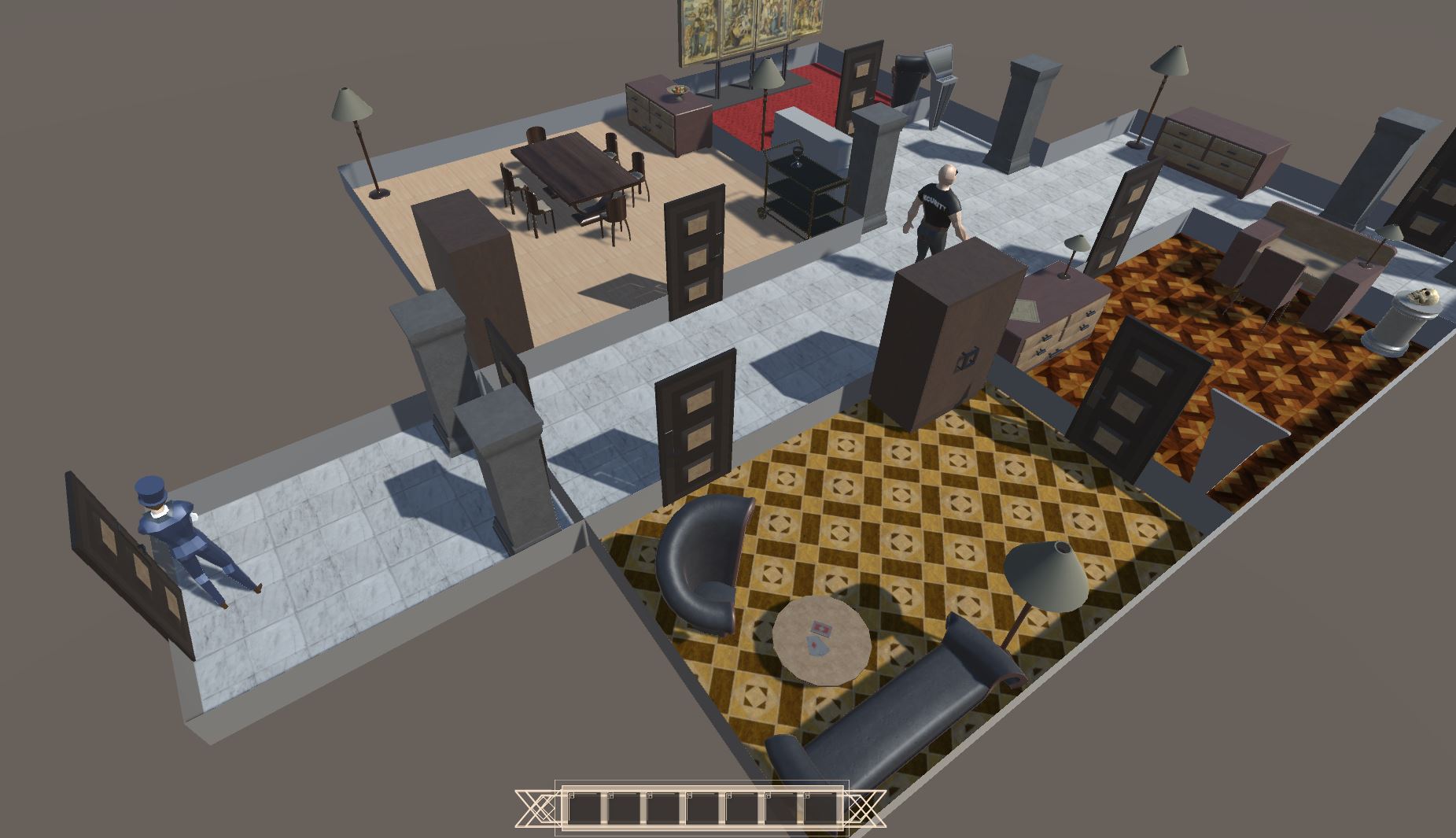
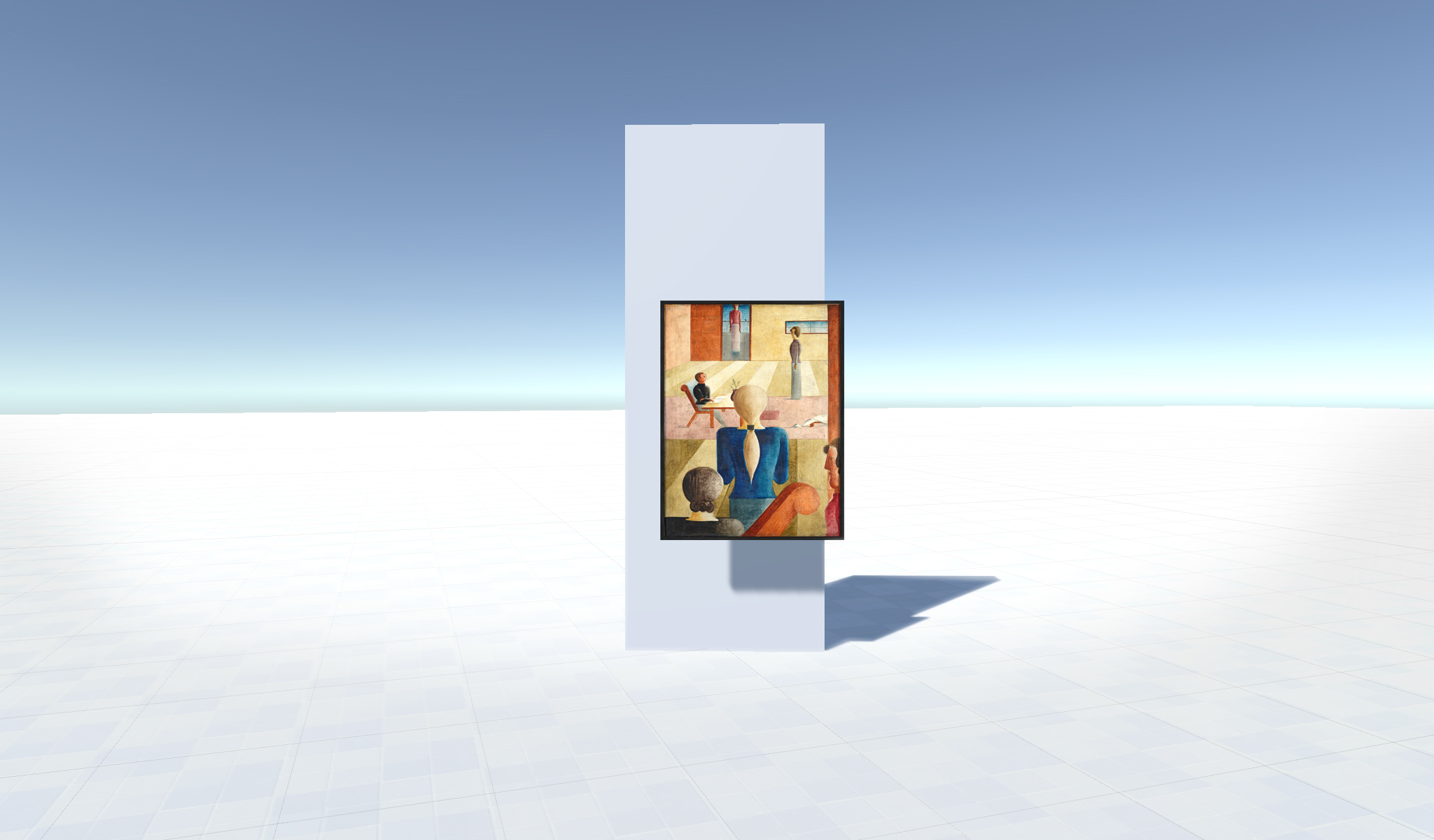
As part of the research project "Digital Paths to Museum II", several prototypes have been created in collaboration with the Staatsgalerie Stuttgart. To explore novel levels of interactive mediation, creative coding and decoding of digital content, these three prototypes are evaluated using an iterative player-centered design approach.
Due to our experimental lean UX research approach, we enable our research partner, the Staatsgalerie Stuttgart, to playfully try out different museum experiences before deciding on a digital strategy. The long-term goal is to strengthen digital, interactive skills and foster the game industry in Baden-Württemberg by working with local game developers.
Classification and evaluation of interaction, movement and system control in virtual reality.
ExploVR is an exergame specially developed for adults aged 60 and over which was created as part of the cooperation between the Institute for Games at the HdM and the Institute for Sport and Movement Science at the University of Stuttgart. We invite you to take part in our user study in September 2023!
FundUS is an excavation analysis system developed for use in palaeolithic archaeology. It can display measurements taken on excavations in an interactive 3D environment to help archaeologists with evaluating their excavation results. The software was developed in cooperation with archaeologists from the Eberhard Karls University in Tübingen.
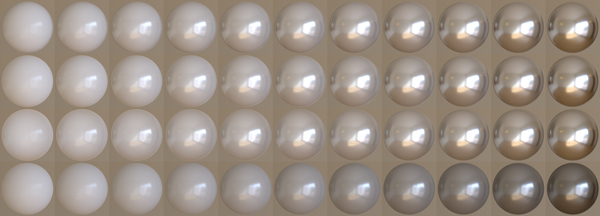
A qualitative comparison of the material models of four renderers (Arnold, Cycles, Eevee, Unreal Engine 4). This publication is a follow-up to a bachelor thesis.
Previous research has investigated player immersion and how it may affect gameplay. However, there is little research discussing diegesis in games and how diegetic and non-diegetic elements might influence the level of immersion...
Research in the context of a master thesis on virtual reality gaming with haptic interaction.